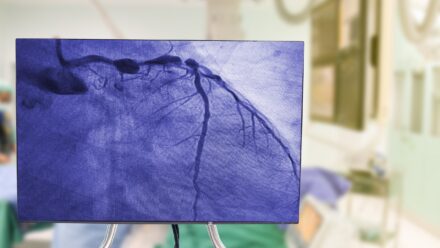
Cardiac PET/CT Financing for Cardiology Practices
Cardiac PET/CT financing helps cardiology practices bring positron emission tomography with integrated CT in-house without paying the full cost of the system and project upfront. As investor-backed platforms add advanced cardiac imaging to their groups, many independent practices are weighing whether to make the same investment on their own.
A cardiac PET/CT program is one of the most capital-intensive projects a cardiology practice can take on. This article explains the costs involved, how practices may finance them and what lenders typically look for. Licensing, accreditation, certificate of need and reimbursement rules vary by state and payer, and nothing here is legal, tax, billing, clinical or compliance advice.
Why Practices Consider Cardiac PET/CT
Practices may consider adding cardiac PET/CT to:
- Keep advanced imaging within the practice rather than referring patients elsewhere
- Offer an additional option alongside existing nuclear imaging
- Improve scheduling control and the patient experience
- Strengthen the practice’s position as an independent alternative to hospital-based or investor-owned groups
Practices evaluating an investor offer should know that advanced imaging is often central to how platforms value cardiology groups. Our article on cardiology private equity offers explains why ancillary services can affect deal terms.
What a Cardiac PET/CT Project Includes
The scanner is only one part of the investment. A full project may include:
- The PET/CT system: new or refurbished, with software and workstations
- Construction: shielding, structural work, power, cooling and room design
- Radiotracer access: supply arrangements or, in some cases, on-site generator equipment
- Stress and monitoring equipment: for pharmacologic stress studies
- Licensing and accreditation: radioactive materials licensing, imaging accreditation and physics support
- Staffing and training: credentialed technologists and physician interpretation
- Service contracts: ongoing maintenance and parts coverage
Practices should collect detailed quotes for each part of the project and plan for contingencies in construction.
Building the Business Case
Lenders and practice partners will want to see that study volume and reimbursement can support the investment. A business case often considers:
- Current volume of patients referred out for advanced cardiac imaging
- Whether existing nuclear studies may shift to PET/CT
- Payer policies, prior authorization and Medicare reimbursement
- Radiotracer costs and supply reliability
- Staffing costs and physician reading capacity
- Sensitivity to reimbursement changes over the life of the loan
Billing and documentation questions should be reviewed by qualified billing or compliance professionals. Practices comparing modalities may also want to read our article on nuclear cardiology camera cost and financing.
Regulatory and Timeline Considerations
Advanced imaging projects can involve several approvals before the first patient is scanned. In some states, certificate of need rules may apply. Our article on how certificate of need affects cardiology financing explains why lenders may condition funding on those approvals. Healthcare counsel can help determine what applies to your project.
Delays in licensing, construction or equipment delivery can affect when the program begins producing revenue, so the financing plan should account for that gap.
Cardiac PET/CT Financing Options
Equipment Loans
An equipment loan can finance the scanner and related equipment, often with the equipment as collateral. Terms may be aligned with the expected useful life of the system.
Equipment Leases
Leasing may reduce upfront costs and provide options to purchase, renew or upgrade at the end of the term. Lease structures have different tax and accounting treatment, so an accountant should review them.
Project Financing
Some lenders can combine equipment, construction and soft costs into a single financing package, which may simplify the project and reduce the cash the practice needs to contribute.
SBA-Backed Loans
In some cases, SBA 7(a) or SBA 504 loans may be used for major equipment or related improvements, subject to program rules and lender review.
You can estimate potential payments with our SBA loan calculator. Estimates are for planning purposes only and do not represent an offer or approval.
Ownership Structures to Consider
Some practices own the scanner directly through the professional entity. Others place imaging equipment in a separate entity owned by some or all of the partners, which can affect who is personally liable for the debt, how imaging income is shared and what happens when a partner joins or leaves. Joint arrangements with other groups or facilities may also be possible. Each structure raises legal and regulatory questions that should be reviewed by healthcare counsel and accountants before the financing is finalized.
Preparing Before You Apply
Practices that gather quotes, a construction budget, a realistic ramp-up schedule and partner agreement on ownership before applying may find the financing process smoother. Lenders tend to respond best to a complete package that explains how the program will reach the volume assumed in the business case.
What Lenders Typically Review
- Several years of practice financial statements and tax returns
- Detailed equipment and construction quotes
- The volume and reimbursement assumptions behind the business case
- Physician and staffing plans
- Licensing, accreditation and certificate of need status
- Existing debt, leases and other equipment obligations
Eligibility and terms depend on the business, the borrowers, use of proceeds, program rules and lender review, and every loan is subject to approval.
Final Thoughts
Cardiac PET/CT financing can help an independent cardiology practice add advanced imaging while preserving cash for operations. Because the project involves construction, licensing, staffing and reimbursement risk, a careful business case and a financing structure matched to each component are essential. You can explore other cardiology practice financing options as you plan.
US Medical Funding helps cardiology practices finance advanced imaging equipment and related projects. Learn more about our medical equipment financing and our cardiology equipment financing and leasing options.