How to Finance a Skin R&R Franchise: Laser and Injectable Med Spa
A Skin R&R franchise loan is usually built around three things: a treatment space finished to brand standards, a set of aesthetic lasers and devices, and enough cash to carry payroll and rent while a new client list fills in. Skin R&R Treatment is a young medical aesthetics brand, so owners who want to open one should expect lenders to look closely at the owner, the clinical plan and the specific site rather than leaning on a long system track record.
This article explains how financing for a Skin R&R location can be structured, what the brand’s SBA Franchise Directory listing means, and how lenders tend to evaluate a medical aesthetics start-up. US Medical Funding is not affiliated with, sponsored by or endorsed by Skin R&R; the name is used only to describe the business. Costs and terms come from the franchisor’s disclosure document and can change, loan programs vary, and every loan is subject to approval. Nothing here is legal, tax, billing or compliance advice.
Skin R&R Franchise Loan at a Glance
- Concept: a medical aesthetics studio built around laser treatments, injectables, chemical peels, microneedling and facials
- SBA Franchise Directory: listed under code S8929, with notes about the lease addendum and about management agreements
- Franchise fee, royalty and total investment: we could not verify current figures from the franchisor’s own materials, so request the latest Franchise Disclosure Document (FDD) and read Items 5, 6 and 7
- Typical financing mix: an SBA 7(a) or conventional start-up loan, often paired with device financing and a working capital reserve
- Healthcare angle: injectables and many laser procedures are medical services in most states, so a medical director and properly licensed providers are part of the plan
- Ownership paths: a new studio or, as the system grows, the purchase of an existing location
What Is Skin R&R?
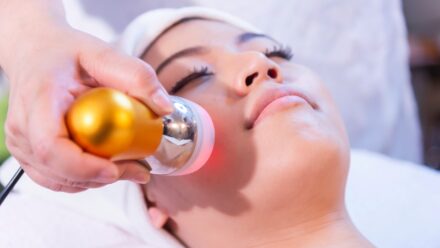
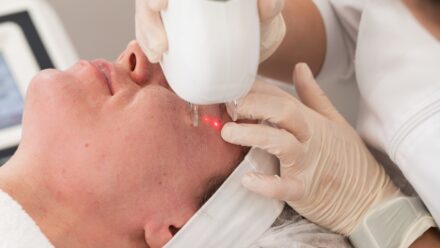
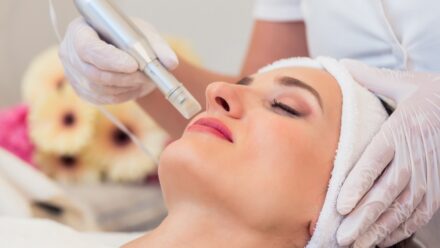
Skin R&R Treatment positions itself as a clinical-grade skincare studio rather than a relaxation spa. The menu described for the brand mixes energy-based treatments such as laser hair removal and laser skin rejuvenation with chemical peels, microneedling, dermaplaning, body contouring and injectable services. That combination places it squarely in the med spa category, which matters for both licensing and lending.
To a lender, a Skin R&R studio is a small healthcare business with a retail feel. Patients pay out of pocket for elective treatments, so there is no insurance billing cycle, but the business depends on costly devices, trained providers and steady marketing, and elective demand can soften when budgets tighten.
With limited public history on franchised units, underwriters put more weight on your experience, liquidity, market and projections. If you are new to the category, our overview of med spa franchise financing explains how lenders approach branded aesthetic locations in general.
Skin R&R Franchise Costs
The franchisor’s current FDD is the only reliable source for what a Skin R&R studio costs. Item 7 of that document lists each category of start-up spending with a low and high estimate. Until you have it, plan around the categories below.
Initial franchise fee
The initial franchise fee buys the right to use the brand, its treatment protocols and its training program. Ask whether the fee changes for a second studio or under a multi-unit agreement, and confirm in Item 5 whether any part of it is refundable.
Build-out and leasehold improvements
Treatment rooms for lasers and injectables need dedicated electrical circuits, sinks, proper ventilation, privacy and finishes that hold up to medical-grade cleaning. The franchisor typically provides a design package and equipment specifications, but the cost of construction still depends on the condition of the space and local labor. Our breakdown of med spa build-out cost covers the items that tend to move the budget most.
Lasers and aesthetic devices
Energy-based devices are often the largest equipment cost in a laser-focused studio. Some franchisors require a specific platform, while others allow approved alternatives. Ask whether devices are purchased outright, leased through an approved supplier or bundled into an opening package, because that choice affects how much of the project can be financed separately.
Opening inventory, marketing and working capital
Injectables, retail skincare, peels and disposables must be stocked before the first appointment. Item 7 normally also lists grand opening marketing and additional funds for the first months, a line lenders review closely because rent, payroll and royalties start before the schedule fills.
Ongoing Fees and How They Affect Your Loan
Item 6 of the FDD lists recurring payments to the franchisor, which commonly include a royalty, a brand or marketing fund contribution, technology or software fees, and charges for additional training. Note whether each fee is a percentage of sales or a flat amount; flat fees weigh more in early months.
Lenders subtract these fees from projected revenue before they calculate how much cash is left to cover debt payments. A royalty that looks small on paper still reduces the cushion available for loan payments, so build every recurring fee into your projections. A higher fee burden may mean a lower supportable loan amount or a request for more reserves.
Franchisor Requirements for New Owners
We could not verify the franchisor’s minimum net worth, liquid capital or experience requirements from its own materials. Ask the franchise development team for these thresholds in writing, and compare them with what a lender will expect for your equity injection and reserves.
Expect the franchisor to review your background, finances and plan for clinical staffing before approving you. Owners without a medical license generally need a structure that complies with state rules on who may own and direct a medical practice. Healthcare counsel can explain how those ownership rules apply where you plan to open.
Ways to Own a Skin R&R
A new studio
Most owners in a young system open a new location. Financing covers the franchise fee, construction, devices, opening inventory and working capital. Because there is no operating history, lenders lean on the owner’s experience and the business plan. Our med spa start-up financing page explains how these loans are typically structured.
Buying an existing location
As the system grows, some studios may come up for sale. A resale gives a lender real revenue, patient counts and expense history to review, which can make underwriting more straightforward. The franchisor must usually approve the buyer, and a transfer fee may apply. Our article on buying an existing med spa franchise covers the transfer steps and the documents to request.
Financing Options for a Skin R&R Franchise
SBA 7(a) loans
An SBA 7(a) loan can fund most start-up costs in one package, including the franchise fee, leasehold improvements, devices, inventory and working capital. The current program maximum is $5 million, although program rules can change and a single studio rarely needs that much. Because Skin R&R appears on the SBA Franchise Directory, the brand has already been reviewed for program eligibility, which saves time on that part of the process.
Conventional loans
Owners with strong liquidity, other businesses or an existing medical practice sometimes use conventional practice loans instead. If you buy a building for the studio rather than lease, the SBA 504 program is another route for owner-occupied real estate.
Equipment financing
Lasers and body contouring platforms can be financed on their own, with the device itself serving as collateral. Our page on med spa equipment financing and leasing explains the difference between a loan and a lease and how each affects ownership at the end of the term.
Working capital
A separate reserve or line of credit can cover payroll, product reorders and marketing while bookings build. Our med spa working capital page covers the options for that ramp-up period.
Seller financing on a resale
When buying an existing studio, the seller may agree to carry a note for part of the price. Seller notes typically sit behind the primary lender, and SBA rules may limit how they are structured or when they can be repaid.
SBA Loans for Skin R&R Franchisees
The SBA Franchise Directory lists brands whose franchise agreements have been reviewed for SBA eligibility. Skin R&R is listed under code S8929.
The lease addendum note
The directory note says that when the real estate where the business operates will secure the SBA-guaranteed loan, the lease addendum may not be executed. In plain terms, the brand’s lease addendum is meant for leased locations. If you own the building and pledge it as collateral, that addendum should not be signed as part of the deal.
The management agreement note
The second note applies if you plan to hire a third party to manage the studio. The lender must review that management agreement under SBA rules to decide whether the management company is affiliated with you. If the management company is the franchisor or is affiliated with the franchisor, the business is not eligible for an SBA loan. Owners who plan to rely on an outside operator should raise this early.
SBA application tips
Before you request a Skin R&R franchise loan, have the full FDD, the signed or proposed franchise agreement, a draft lease, device quotes, a business plan and personal financial statements ready. Show where your equity injection comes from with bank statements, and explain your plan for a medical director and providers.
How Lenders Evaluate a Skin R&R Deal
Personal credit and financial history
Lenders review personal credit for every significant owner, along with tax returns and any past business results.
Net worth and liquidity
Lenders look for cash to put into the project and cash left over afterward. Planning both the equity injection and personal reserves is more persuasive than putting every available dollar into the opening.
Industry and management experience
Background in aesthetics, nursing, dermatology, retail healthcare or multi-unit management helps. Owners without that experience should show how they will hire and keep strong clinical and front-desk leaders.
Business plan and projections
Projections should reflect realistic bookings per provider, the mix between laser packages and injectables, membership or package sales if the brand uses them, and a gradual ramp. A detailed med spa business plan helps connect those assumptions to the loan request.
The FDD and franchise agreement
Lenders read the fee schedule, required purchases, territory terms, term length and transfer rules. Items 3 and 4 of the FDD cover litigation and bankruptcy history, and Item 19 shows whether the franchisor provides any financial performance information.
Site and lease
Visibility, parking and competition matter. Lease length should cover the loan term or come with renewal options, and the lender will want the landlord to cooperate with any collateral requirements.
Clinical Requirements and Underwriting
Injectables and many laser procedures are treated as medical services in most states. That usually means a supervising physician or medical director, licensed injectors and clear protocols for delegation and supervision. The exact rules depend on the state, so confirm them with healthcare counsel before signing a lease. Our article on med spa medical director requirements outlines the questions to ask.
Lenders care because a studio cannot bill for injectables or laser work until those agreements are in place, so a signed medical director agreement and credentialed providers reduce the risk of a delayed opening and strengthen a Skin R&R franchise loan request.
Real-World Scenarios
The nurse injector opening her own studio: An experienced aesthetic nurse wants to own rather than work for a practice. Her clinical background strengthens the application, and the lender focuses on her liquidity, her medical director arrangement and her ability to manage a business.
The investor with a clinical partner: A business owner with no medical license partners with a physician who serves as medical director. The lender reviews the ownership structure, the medical director agreement and whether any management arrangement raises SBA affiliation questions.
Common Mistakes to Avoid
- Signing a lease before confirming clinical supervision rules in your state
- Spending all available cash on the opening and leaving no reserves
- Underestimating device costs or skipping service agreements
- Projecting a full appointment book in the first months
Next Steps to Finance Your Skin R&R Franchise
Step 1: Get the current FDD. Read Items 5, 6, 7, 11, 17 and 19 and note every fee and required purchase.
Step 2: Confirm clinical rules. Work with healthcare counsel to confirm ownership, supervision and licensing requirements for your state.
Step 3: Choose a site. Compare visibility, parking and nearby competition, and confirm the lease works with the brand’s addendum.
Step 4: Price devices and inventory. Collect quotes for required lasers and devices and decide what to buy, lease or finance separately.
Step 5: Build projections. Use realistic booking ramps and include every franchise fee. Our SBA loan calculator can help you test payment scenarios.
Step 6: Apply. Submit a complete package and respond quickly to follow-up questions.
Skin R&R Franchise Loan FAQs
How much does a Skin R&R franchise cost?
The current total investment range appears in Item 7 of the franchisor’s FDD. We could not verify those figures from the franchisor’s own materials, so request the latest document before planning your budget.
Is Skin R&R eligible for SBA loans?
Yes. Skin R&R is listed on the SBA Franchise Directory under code S8929. Lenders still review the owner, the site and the overall request.
Can a Skin R&R franchise loan cover the franchise fee?
An SBA 7(a) loan can generally include the initial franchise fee along with build-out, devices and working capital, subject to lender approval.
Do I need a medical license to own one?
That depends on state law and the franchisor’s requirements. Many states restrict who can own or direct a business that provides medical services, so check with healthcare counsel.
Does the franchisor offer financing?
Item 10 of the FDD discloses whether the franchisor offers any direct or indirect financing. Review it in the current document.
Can I use a management company to run my studio?
You can, but under the SBA directory note the lender must review the management agreement for affiliation, and the business is not eligible if the manager is the franchisor or its affiliate.
What documents do lenders ask for?
Expect requests for tax returns, bank statements, a personal financial statement, the FDD and franchise agreement, a lease or letter of intent, device quotes and a business plan.
How long is the franchise term?
Item 17 of the FDD lists the initial term, renewal options and transfer conditions. Lenders like to see a term at least as long as the loan.
Final Thoughts
A Skin R&R studio combines the equipment needs of a laser clinic with the clinical oversight of a medical practice. Getting the FDD, confirming state rules, pricing devices carefully and planning a realistic ramp will put you in a stronger position when you apply for a Skin R&R franchise loan.
US Medical Funding helps aesthetic providers and investors finance new studios, devices and working capital. Learn more about our med spa practice financing options.