Cost to Open an Infusion Center: Startup Budget Breakdown
The cost to open an infusion center depends on far more than chairs and pumps. A standalone ambulatory infusion center needs clinical space, a compliant medication preparation area, trained nurses, payer contracts, referral relationships and enough cash to buy expensive drugs before the first claim is paid. Founders who budget only for the build-out often find that the largest strain arrives after the doors open.
This guide breaks down the main categories in a startup budget and explains how lenders tend to look at each one. Every market, site and service mix is different, so the right budget for your center will depend on your location, payers and therapies. Licensing, pharmacy and facility rules vary by state and payer, and nothing here is legal, tax, billing or compliance advice.
Why the Cost to Open an Infusion Center Varies So Much
Two centers with the same number of chairs can have very different startup budgets. The biggest drivers usually include:
- Service mix: centers focused on lower-cost hydration or iron therapies have different inventory needs than centers administering specialty biologics
- Medication preparation: whether drugs are compounded on site, which may require a dedicated clean room, or supplied ready to administer
- Space: whether the center leases finished space, builds out a shell or buys a building
- Staffing model: nurse staffing levels, physician or advanced practitioner supervision and pharmacy support
- Payer timeline: how long contracting and credentialing take before the center can bill
Getting clear on these choices early makes every other estimate more reliable.
Build-Out and Facility Costs
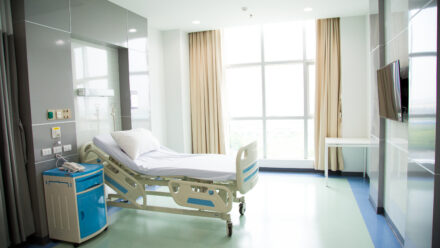
Infusion space has specific needs. Patients may sit for long sessions, so comfort, privacy, restrooms and nurse sightlines matter. The layout typically includes an intake area, infusion bays or private suites, a nurse station, medication storage and, where drugs are prepared on site, a separate preparation room built to sterile compounding standards.
Clean room construction can involve specialized air handling, pressure controls, finishes and certification, and it is often one of the more expensive line items. Founders should get contractor estimates early and confirm requirements with qualified pharmacy and compliance professionals before committing to a design.
The choice between leasing and owning also shapes the budget. Our guide to infusion center real estate walks through how each option affects upfront cash and long-term costs.
Equipment and Technology
Equipment needs are simpler to estimate than construction, but they add up. A typical list may include:
- Infusion chairs or recliners
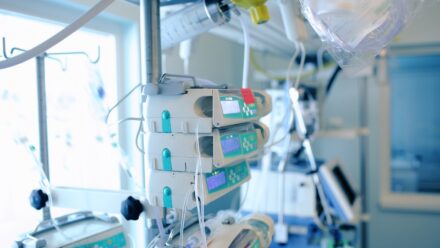
- Infusion pumps and poles
- Medical-grade refrigerators and freezers with temperature monitoring
- Biological safety cabinets or hoods for sterile preparation
- Emergency equipment and crash cart supplies
- Vital sign monitors and patient furniture
- Practice management, scheduling and billing systems
Many founders finance or lease equipment rather than paying cash, which can preserve liquidity for drug purchases and payroll. Our infusion center equipment financing and leasing page explains how these structures may work.
Drug Inventory: The Line Item Founders Underestimate
For many centers, drug acquisition is the largest ongoing cost. Under a buy-and-bill model, the center purchases the medication, administers it and then waits for the payer to reimburse. A single specialty biologic dose can be costly, and the center may carry many doses in inventory at once.
That means the startup budget should account not only for the opening inventory but also for the cash tied up between purchase and payment. If claims are denied, delayed or underpaid, the gap widens. Some payers may require certain drugs to come through specialty pharmacy channels instead, which changes the inventory picture. Founders should review payer policies with qualified billing professionals.
Staffing and Pre-Opening Payroll
Infusion nurses with experience in specialty therapies and vascular access are in demand. Founders may need to hire and train staff before the center sees its first patient, which means paying salaries during the ramp-up period.
The budget should also consider medical oversight. Depending on the state and the therapies offered, a physician or advanced practitioner may need to be available for supervision. Ownership and supervision rules vary by state, so founders should confirm the requirements with healthcare counsel.
Licensing, Credentialing and Payer Contracts
Before revenue begins, a center may need facility licenses, pharmacy permits, accreditation where required, payer contracts and provider enrollments. These steps can take longer than expected, and they cost money in application fees, consultants and time.
Delays in payer contracting are one of the most frequent reasons new centers run short of cash. A realistic budget assumes that billing will start later than planned and that early collections will be slower than steady-state collections.
Working Capital and Ramp-Up Reserves
Even with strong referral relationships, patient volume usually builds gradually. Rent, payroll, loan payments and drug purchases continue while the census grows. A working capital reserve can help bridge that period.
Lenders often want to see that the plan includes enough cash to reach break-even without relying on optimistic volume. Our article on infusion center working capital explains how centers finance the cash gap created by buy-and-bill drugs.
How Lenders Review a Startup Infusion Budget
Lenders evaluating a new center generally look at:
- The experience of the founders in infusion operations and management
- Referral sources and letters of support from prescribing physicians
- Expected payer mix and the status of payer contracts
- Detailed build-out, equipment and inventory estimates
- Monthly projections showing ramp-up, drug costs and cash reserves
- The founders’ credit, liquidity and personal financial strength
A strong infusion center business plan ties these pieces together and shows how the center will repay the debt.
Financing Options for a New Center
Depending on the project, a startup budget may be funded through a combination of SBA-backed loans, conventional loans, equipment financing and the founders’ own cash. SBA 7(a) loans may be used for build-out, equipment and working capital in some cases, but eligibility and terms depend on the business, the borrower, use of proceeds, program rules and lender review. Every loan is subject to approval, and nothing here is a commitment to lend.
Founders can estimate potential monthly payments with our SBA loan calculator. Estimates are for planning purposes only and do not represent an offer or approval.
Final Thoughts
The cost to open an infusion center reaches well beyond construction. Build-out, sterile preparation space, equipment, staffing, payer contracting and the cash tied up in drug inventory all belong in the budget. Founders who plan conservatively for the ramp-up period are often better positioned with lenders and better prepared for the realities of buy-and-bill.
US Medical Funding helps infusion therapy founders finance new centers, from build-out to equipment and working capital. Learn more about our infusion therapy center start-up financing and our full range of infusion therapy financing options.