Oral Surgery Practice Loans: Financing Options Explained
Oral surgery practice loans help oral and maxillofacial surgeons buy practices, buy into partnerships, open new offices, purchase real estate, finance equipment and manage cash flow. Because oral surgery offices are equipment-intensive and depend on referral networks, the right financing structure can make a meaningful difference in how a practice grows.
This guide explains the main financing options, what each is generally used for and what lenders typically review. Program rules and lender standards vary, and nothing here is legal, tax or accounting advice or a commitment to lend.
What Oral Surgery Practice Loans Are Used For
Surgeons use practice financing for a range of goals:
- Acquisitions: buying an existing oral surgery practice
- Partner buy-ins and buyouts: purchasing an ownership interest or a departing partner’s share
- Start-ups: opening a new office from scratch
- Expansion: adding a location, surgical suite or full-arch implant program
- Real estate: buying or building an office
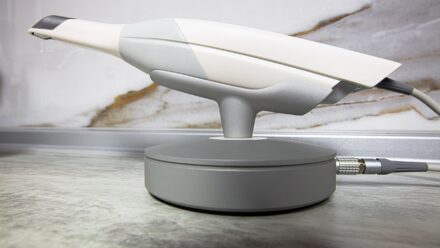
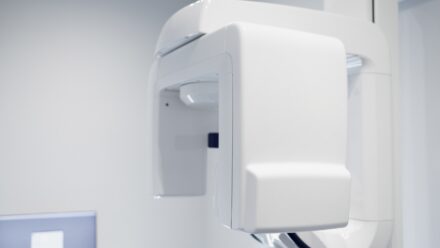
- Equipment: imaging, anesthesia and monitoring systems, surgical chairs and instruments
- Working capital: covering payroll and expenses while claims are paid
- Refinancing: restructuring existing debt
SBA 7(a) Loans
SBA 7(a) loans are a flexible option that may be used for practice acquisitions, partner buyouts, working capital, equipment and, in some cases, real estate. They are made by participating lenders and partially backed by the SBA, which can allow structures that might not be available through conventional lending alone.
Eligibility and terms depend on the business, the borrower, use of proceeds, program rules and lender review. SBA loans can involve more documentation than conventional loans, and every loan is subject to approval.
SBA 504 Loans
SBA 504 loans are designed for owner-occupied commercial real estate and long-life fixed assets. For oral surgeons who want to buy or build an office, a 504 structure may be worth considering. Our article on oral surgery office real estate compares buying, building and leasing.
Real estate financing deserves its own planning. Surgical suites, recovery rooms and sterilization areas can make an oral surgery office more specialized than a typical dental space, which is one reason some surgeons prefer to own rather than lease. Lenders will generally review the property, the practice’s ability to support occupancy costs and the surgeon’s overall financial position.
Conventional Practice Loans
Conventional practice loans are made under a lender’s own underwriting standards rather than a government program. They may suit established surgeons with strong credit, solid practice cash flow and meaningful liquidity. Some lenders that specialize in healthcare may offer structures tailored to practice owners.
Conventional loans may involve less paperwork than SBA programs, but qualification standards can be stricter.
Equipment Financing and Leasing
Oral surgery offices depend on costly equipment. Equipment financing allows a practice to spread the cost over time, with the equipment often serving as collateral. Leasing may be an alternative for practices that prefer flexibility at the end of the term. Our guide to oral surgery equipment financing covers imaging, anesthesia and implant equipment.
Working Capital Lines of Credit
A line of credit can help a practice manage timing gaps between providing care and receiving payment, particularly when billing both dental and medical payers. Lines are generally intended for short-term needs rather than long-term investments.
What Lenders Review for Oral Surgery Practice Loans
While each lender has its own process, reviewers generally consider:
- Historical practice cash flow and tax returns
- The borrower’s training, board status and ownership or management experience
- Personal credit history and existing debt, including student loans
- Liquidity and equity available for the transaction
- Referral base stability and payer mix
- Collateral, including equipment and real estate where applicable
- The business plan or acquisition rationale
For acquisitions, lenders also review the seller’s financials, the purchase agreement and how the transition will be handled.
How Oral Surgery Differs From Other Dental Lending
Lenders that understand oral surgery tend to look beyond the headline numbers. A few features of the specialty can shape how a loan request is evaluated:
- Referral dependence: new patients often come from general dentists, so referral stability is reviewed closely
- Dual billing: claims may go to dental insurers, medical insurers and government payers, which affects collection timing
- Equipment intensity: imaging, anesthesia and surgical equipment can represent significant collateral and future capital needs
- Fee-for-service implant work: full-arch and implant cases can add revenue that is less dependent on insurance
Explaining how your practice manages each of these can help a lender understand the request.
Documents to Prepare
Having documents organized can make the review process smoother. Borrowers are often asked for personal and business tax returns, financial statements, a personal financial statement, a resume or CV, debt schedules, the purchase agreement or letter of intent and, for start-ups, a business plan with projections.
Choosing the Right Structure
The best option depends on the purpose of the loan, the strength of the borrower and the practice, and how much flexibility the surgeon needs. Some transactions combine several types of financing, such as an acquisition loan paired with a working capital line.
You can estimate potential payments with our SBA loan calculator. Estimates are for planning purposes only and do not represent an offer or approval.
Final Thoughts
Oral surgery practice loans come in several forms, each suited to different goals. Understanding how SBA, conventional, equipment and working capital financing differ can help you choose a structure that supports your practice rather than straining it.
US Medical Funding helps oral and maxillofacial surgeons compare financing options and prepare for lender review. Learn more about our oral and maxillofacial surgery practice financing programs.