Oral Surgery Practice Valuation: What Drives Value
An oral surgery practice valuation tries to answer a simple question with a complicated answer: what is this practice worth to a buyer who has to finance it, staff it and keep referrals coming? Whether you are selling, buying or bringing in a partner, understanding what drives value can help you set realistic expectations.
Interest from private equity groups and growing surgeon groups has drawn more attention to oral surgery practice values in recent years. Every practice is different, though, and this article explains the factors that generally matter. It is general information only, and nothing here is legal, tax, accounting or appraisal advice.
Why Oral Surgery Practice Valuation Is Different
Oral and maxillofacial surgery practices have features that set them apart from general dental or medical practices:
- New patients come largely from referring general dentists rather than direct marketing
- Office-based anesthesia requires specialized equipment, trained staff and facility standards
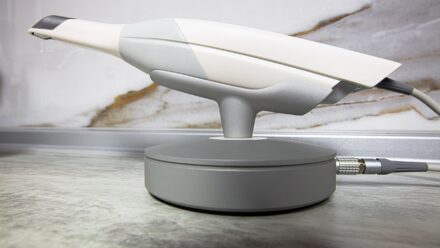
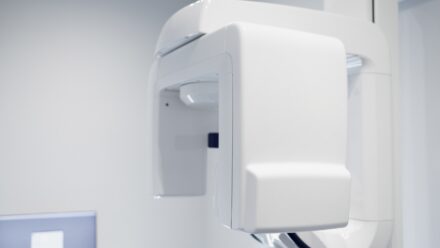
- The offices are equipment-intensive, with imaging, surgical and monitoring systems
- Revenue may come from both dental and medical billing, plus fee-for-service implant work
Each of these can increase or reduce value depending on how well the practice manages it.
Cash Flow Is the Starting Point
Most valuations begin with the practice’s earnings. Buyers and lenders want to know how much cash the practice produces after operating expenses and after paying a market salary to the surgeon who will provide care.
Sellers often present adjusted earnings, adding back personal or one-time expenses. Add-backs should be documented and reasonable, because buyers, appraisers and lenders will scrutinize them. Several years of tax returns, financial statements and collection reports can show whether earnings are stable, growing or declining.
Referral Base and Concentration
For oral surgery, the referral base is often the single most important intangible asset. A practice that receives referrals from a broad group of general dentists is generally viewed as less risky than one that depends on a few offices.
Buyers will look at how many referring offices send patients, how much each contributes, how long relationships have lasted and whether any large referrers are nearing retirement or affiliating with groups. Our article on the oral surgery referral base explores this risk in depth.
Owner Dependence
When the selling surgeon personally performs most procedures and holds most referral relationships, a meaningful portion of value may walk out the door at closing. Practices with associate surgeons, strong office managers and documented systems tend to transfer more smoothly.
Sellers can often improve value by introducing associates to referring dentists, delegating management tasks and planning a reasonable transition period.
Procedure Mix and Payer Mix
Revenue sources affect both value and risk. Third molar extractions, implant placement, bone grafting, full-arch cases, pathology and trauma work each have different reimbursement patterns and referral dynamics.
Payer mix matters too. Dental insurance, medical insurance, Medicare, Medicaid and fee-for-service patients each have different payment timing and documentation requirements. Our article on oral surgery medical vs dental billing explains how billing affects cash flow. Billing and coding practices should be reviewed by qualified billing or compliance professionals.
Equipment and Facility
Equipment condition affects the capital a buyer must invest after closing. Older imaging systems, anesthesia equipment or sterilization systems may need replacement, and buyers may adjust their offer accordingly.
The facility matters as well. Surgical and recovery room layout, lease terms, remaining lease length and landlord consent to assignment can all influence value. If the seller owns the building, the real estate is usually valued separately from the practice.
Staff and Systems
Experienced surgical assistants, anesthesia-trained staff and front office teams who understand dual billing are valuable. Buyers will consider tenure, compensation, employment agreements and whether key staff are likely to stay. Restrictive covenants should be reviewed by counsel because enforceability varies by state.
How Private Equity Affects Oral Surgery Practice Valuation
Private equity groups and larger surgeon groups may structure offers differently from individual buyers. Offers can include cash at closing, retained equity, employment agreements and performance-based components. Headline value can look attractive, but the after-tax, risk-adjusted value of each component may differ.
Sellers comparing offers should look at what they receive at closing, what is contingent, what obligations come with the deal and how long they must keep working. Our article on selling an oral surgery practice to private equity covers these trade-offs.
What Lenders Consider
When a buyer finances an acquisition, the lender’s view of value matters. Lenders generally focus on whether historical cash flow can support debt service after paying the buyer a reasonable salary. A price that is difficult to finance may limit the pool of buyers.
SBA 7(a) loans may be used for practice acquisitions, and some transactions may require a business valuation as part of lender review. Eligibility and terms depend on the business, the buyer, use of proceeds, program rules and lender review. Every loan is subject to approval.
Ways Sellers Can Support Value
- Keep clean, consistent financial records and document add-backs
- Broaden the referral base and introduce associates to referring offices
- Maintain equipment and keep service records
- Secure a lease with adequate remaining term and assignment rights
- Reduce owner dependence before going to market
Final Thoughts
Oral surgery practice valuation reflects cash flow, referral stability, owner dependence, procedure and payer mix, equipment and the strength of the team. Buyers and sellers who understand these drivers are better prepared to negotiate and to structure a deal that can be financed.
US Medical Funding helps oral and maxillofacial surgeons finance practice acquisitions and plan ownership transitions. Learn more about our maxillofacial surgery practice acquisition financing and our advisory and consulting services.