Podiatry Practice Due Diligence: A Buyer’s Checklist
Once a buyer and seller agree on the basic terms, the real work begins. Podiatry practice due diligence is the process of requesting and reviewing documents to confirm that the practice is what the seller says it is. What you find can affect the price, the deal structure, the financing and whether you move forward at all.
This checklist focuses on the documents to request and what to look for in each. It is a starting point, not a substitute for professional advice. Buyers should work with healthcare counsel, an accountant and qualified billing or compliance professionals, and nothing here is legal, tax, billing or compliance advice.
Before You Start
Due diligence usually begins after a letter of intent is signed and a confidentiality agreement is in place. Buyers should agree with the seller on a timeline, a list of requested documents and how information will be shared. Lenders will also request many of these documents, so organizing them early can help the financing process. For the broader decision-making process, see our guide to buying a podiatry practice.
Financial Documents
Financial review confirms whether the practice’s earnings can support the purchase price and the debt. Request:
- Business tax returns for several recent years
- Profit and loss statements and balance sheets for the same period, plus year-to-date figures
- Bank statements to reconcile reported revenue with deposits
- A list of proposed add-backs with supporting documentation
- Payroll reports and benefit costs
- Any existing debt, liens and equipment financing
Look for consistency between tax returns, financial statements and bank deposits. Unexplained differences should be resolved before closing.
Accounts Receivable and Collections
Receivables reveal how well the practice collects what it bills. Request:
- Accounts receivable aging reports by payer
- Collection trends over time
- Denial and adjustment reports
- Credit balances and any patient refunds owed
A large share of older receivables may signal billing problems. The purchase agreement should state whether receivables belong to the buyer or the seller.
Payer Mix and Revenue Sources
Podiatry practices often depend heavily on Medicare, so understanding where revenue comes from is essential. Request revenue and collections by payer and by service line, including office visits, procedures, routine foot care, wound care and DME.
Payer contracts, Medicare and Medicaid enrollments and credentialing should not be assumed to transfer to a new owner. Our article on how lenders review podiatry Medicare payer mix explains why concentration matters.
Billing and Compliance Review
Buyers should have qualified billing or compliance professionals review a sample of charts and claims. Items to request include:
- Coding and documentation policies
- Any audits, reviews or repayment demands from payers
- Any complaints, investigations or licensing board matters
- Supplier enrollment and accreditation records, if the practice dispenses DME
Problems found here can affect both value and future liability, so the review should happen before closing.
Legal Agreements in Podiatry Practice Due Diligence
Legal documents define what the buyer is actually acquiring and what obligations come with it. Request:
- Office lease: remaining term, renewal options, assignment rights and landlord consent requirements
- Buy-sell and partnership agreements: if the practice has more than one owner, these may control whether and how ownership can be sold
- Employment agreements: for associates and key staff, including compensation and termination terms
- Non-compete and non-solicitation agreements: for the seller and providers, which should be reviewed by counsel because enforceability varies by state
- Vendor and service contracts: including records systems, equipment maintenance and labs
- Corporate documents: entity formation, ownership records and good standing
Ownership rules for podiatry practices vary by state, and counsel should confirm that the planned ownership structure is permitted.
Staff and Providers
People drive revenue in a podiatry practice. Review the staff roster, tenure, compensation, licensure and any pending employment issues. Understand how much of the practice’s production comes from the selling owner and whether associates are likely to stay. Worker classification should be reviewed by qualified professionals.
Equipment, Facility and Records
- Equipment list with age, condition and ownership or lease status
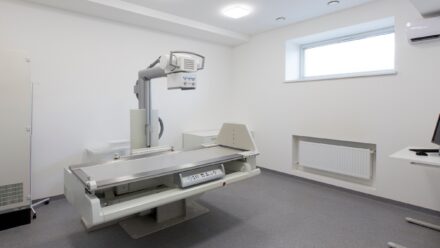
- Imaging equipment registrations or inspections, where required
- Facility condition and any planned repairs
- How patient records will be transferred and maintained
- Insurance policies and claims history
Red Flags to Watch For
- Revenue that cannot be reconciled with bank deposits
- Heavy reliance on one service line, payer or referral source
- Unresolved payer audits or repayment demands
- A lease that cannot be assigned or expires soon after closing
- Key staff or associates who are unlikely to stay
Connecting Due Diligence to Valuation and Financing
What you learn in due diligence often changes the deal. Findings may lead to a price adjustment, a holdback, revised representations in the purchase agreement or a change in deal structure. Our article on how podiatry practices are valued explains how these factors affect price.
Lenders rely on many of the same documents. SBA 7(a) loans can be used for practice acquisitions, with eligibility and terms depending on the business, the buyer, use of proceeds, program rules and lender review. Our guide to podiatry practice acquisition loans covers the financing side in more detail. Every loan is subject to approval, and nothing here is a commitment to lend.
Final Thoughts
Thorough podiatry practice due diligence helps buyers understand exactly what they are purchasing, from earnings and receivables to payer exposure, legal agreements and staff. A disciplined document review, supported by qualified advisors, can help a buyer negotiate with confidence and present a stronger financing request.
US Medical Funding helps podiatrists finance the purchase of existing practices. Learn more about our podiatry practice acquisition financing and our full range of podiatry practice financing options.