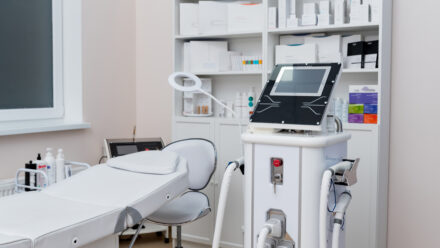
ENT CT Scanner Financing: In-Office Cone Beam CT
ENT CT scanner financing helps otolaryngology practices acquire in-office cone beam CT systems without paying the full cost up front. In-office imaging of the sinuses and temporal bones can allow physicians to review images during the same visit, support treatment planning and keep imaging within the practice rather than referring patients elsewhere.
A scanner is a significant purchase, and it brings space, staffing, maintenance and regulatory considerations along with it. This article explains the financing options, what lenders review and what to plan for before you buy. Licensing, radiation safety, supervision, billing and referral rules vary by state and payer, and nothing here is legal, tax, billing, compliance or clinical advice.
Why ENT Practices Consider In-Office CT
Practices that add cone beam CT often cite several goals:
- Reviewing images with patients at the point of care
- Reducing the need for patients to schedule imaging elsewhere
- Supporting planning for sinus procedures performed in the office or surgery center
- Adding an ancillary service that may contribute to practice revenue
Whether a scanner makes financial sense depends on patient volume, payer mix, reimbursement and how imaging fits into the practice’s clinical workflow.
Total Cost of Ownership
The purchase price is only part of the investment. A complete budget may include:
- The scanner and its software
- Room preparation, shielding, electrical work and any required inspections
- Delivery, installation and training
- Image storage, viewing and integration with practice systems
- Service agreements and ongoing maintenance
- Staff time for operation and documentation
Many lenders can finance installation, software and soft costs along with the equipment, depending on the program.
ENT CT Scanner Financing Options
Equipment Loans
An equipment loan lets the practice own the scanner from the start, with the equipment serving as collateral. Ownership may provide tax benefits depending on your situation, which your accountant can explain. At the end of the term, the practice owns the system outright.
Capital Leases
A lease structured with a nominal buyout at the end functions much like a loan, with ownership at the end of the term. Some practices prefer this structure for its documentation or accounting treatment.
Operating Leases
An operating lease may offer lower payments and the option to return or upgrade the scanner at the end of the term. This can appeal to practices concerned about technology changing over time, though total cost may be higher.
Including CT in a Larger Project
If a scanner is part of an acquisition, start-up or expansion, it may be financed within a broader loan. SBA 7(a) loans can sometimes include equipment, subject to eligibility, program rules and lender review.
Learn more about medical equipment and technology financing across healthcare specialties, or compare options in our broader guide to ENT equipment financing.
What Lenders Review
Lenders typically consider:
- The practice’s financial statements and tax returns
- Existing debt and how the new payment fits into cash flow
- Owner credit and experience
- A quote for the scanner and related costs
- A volume estimate based on the practice’s own imaging referrals
A practice that can show how many patients it currently refers out for sinus or temporal bone imaging may be able to support its projections more convincingly. You can estimate potential payments with our conventional loan calculator. Estimates are for planning only and are not an offer or approval.
Regulatory and Compliance Considerations
In-office imaging is one of the ancillary services most closely reviewed by payers, buyers and lenders. Before purchasing a scanner, owners should work with healthcare counsel and qualified compliance professionals on questions such as:
- State registration, inspection and radiation safety requirements
- Who may operate the equipment and who interprets images
- Supervision, documentation and billing requirements
- Federal and state rules on physician self-referral for in-office imaging
- Any prior authorization requirements from payers
Our article on ENT ancillary services explains why these structural questions can affect practice value and lender review.
Questions to Ask Before You Buy
- How many scans per week would the practice realistically perform?
- How do payers in your market reimburse in-office sinus imaging?
- Is your space suitable, and what modifications are needed?
- What does the service agreement cover, and for how long?
- How will the scanner affect value if you later sell the practice?
Loan or Lease: Which Fits Your Practice?
The right structure depends on how you expect to use the scanner and how long you plan to keep it. A loan or capital lease may suit a practice that expects to use the system for many years and wants to build equity in the asset. An operating lease may suit a practice that wants flexibility to upgrade, or that is still testing whether imaging volume will meet expectations.
Consider these factors with your accountant:
- How long you expect the scanner to remain clinically useful
- Whether ownership or leasing offers better tax treatment in your situation
- How the payment compares with the imaging revenue you realistically expect
- What happens to the equipment, or the lease, if the practice is sold
If a sale or partner transition is on the horizon, ask whether the lease can be assigned and how lenders and buyers would treat the obligation.
Final Thoughts
ENT CT scanner financing can make in-office imaging accessible without draining practice cash, but the decision should rest on realistic volume, careful compliance planning and a full view of ownership costs. Matching the financing structure to how long you expect to use the scanner can help protect cash flow. Every loan or lease is subject to approval, and nothing here is a commitment to lend.
US Medical Funding helps otolaryngology practices finance imaging and other medical equipment. Learn more about our ENT equipment financing and leasing and our full range of otolaryngology practice financing options.