ENT Equipment Financing: Endoscopes, Microscopes and More
ENT equipment financing helps otolaryngology practices acquire the specialized tools they rely on every day, from exam units and endoscopes to microscopes, video systems and audiology equipment, without paying the full cost at once. Because otolaryngology is one of the more equipment-intensive office-based specialties, how a practice finances equipment can affect cash flow for years.
This article covers the types of equipment ENT practices commonly finance, the main financing structures and what lenders review. Tax treatment, billing rules and regulatory requirements vary, and nothing here is legal, tax, billing, compliance or clinical advice. Your accountant can explain how each option affects your situation.
Equipment ENT Practices Commonly Finance
- Exam and treatment units: ENT chairs, treatment cabinets, suction and lighting
- Endoscopy systems: flexible and rigid endoscopes, light sources, video towers and recording systems
- Microscopes: office and surgical microscopes for ear examination and procedures
- Stroboscopy and voice equipment: for practices with laryngology or voice services
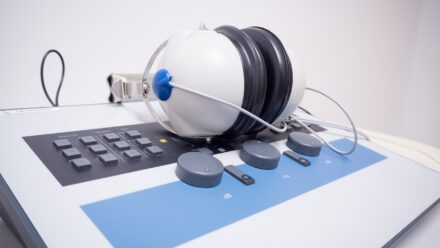
- Audiology equipment: audiometers, sound booths, tympanometers and hearing aid fitting systems
- Imaging: in-office cone beam CT. See our guide to ENT CT scanner financing.
- Procedure room equipment: instruments and systems for in-office sinus and other procedures
- Sterilization and reprocessing equipment: for endoscopes and instruments
- Technology: electronic health records, imaging storage, computers and networking
Many lenders can also include installation, training, software and shipping in the financed amount.
ENT Equipment Financing Options
Equipment Loans
With an equipment loan, the practice owns the equipment from the start, and the equipment usually serves as collateral. Loans may suit long-lasting items the practice expects to use for many years, such as exam units, microscopes and sound booths.
Capital Leases
A capital lease with a nominal buyout works much like a loan. The practice makes payments over the term and owns the equipment at the end. Some practices prefer this structure for its documentation, accounting treatment or ability to bundle soft costs.
Operating Leases
An operating lease may offer lower payments and the option to return or upgrade the equipment at the end of the term. This can make sense for technology that may be replaced, such as video endoscopy systems or software-dependent devices. Total cost over the life of the equipment may be higher.
Equipment Within a Larger Loan
When equipment is part of an acquisition, start-up or expansion, it can sometimes be financed within a broader loan, including SBA 7(a) financing, subject to eligibility, program rules and lender review. Our guide to the cost to start an ENT practice explains how equipment fits into a start-up budget.
Learn more about medical equipment and technology financing across specialties.
How to Choose the Right Structure
Consider these questions for each purchase:
- How long will the equipment remain useful in your practice?
- Is the technology likely to change in a way that makes upgrading important?
- Do you want to own the equipment at the end of the term?
- How does the payment fit with current cash flow and other debt?
- What is the tax treatment of ownership versus leasing in your situation?
Matching the length of the financing to the useful life of the equipment can help avoid paying for items you have already replaced.
What Lenders Review for ENT Equipment Financing
For established practices, lenders typically look at:
- Recent business tax returns and financial statements
- Owner credit history
- Time in business and existing debt
- A vendor quote or invoice for the equipment
Smaller purchases may involve a simpler application, while larger projects may require more documentation and projections showing how the equipment will be used. Start-ups typically need to provide a business plan, budget and personal financial information. Every loan or lease is subject to approval, and nothing here is a commitment to lend.
You can model payments with our conventional loan calculator. Estimates are for planning only and are not an offer or approval.
Planning for Upgrades and Replacement
ENT practices often replace equipment on a rolling basis rather than all at once. A simple equipment schedule listing each item, its age, its condition and how it is financed can help owners anticipate replacements and avoid surprises. It also helps when selling or bringing in partners, since buyers and lenders review equipment condition and any remaining obligations during due diligence.
Financing Equipment for New Services
When equipment supports a new service, such as in-office sinus procedures, audiology or sleep testing, the financing request should explain how the service will generate revenue. Lenders will want to see realistic volume estimates and an understanding of billing and supervision requirements, which qualified billing or compliance professionals and healthcare counsel can help clarify. Our article on the ENT procedure suite covers the build-out and equipment involved in bringing sinus procedures into the office.
Tips Before You Sign
- Compare the total cost of financing, not just the monthly payment
- Read end-of-term provisions carefully, especially on leases
- Confirm what service, warranty and training are included
- Ask whether the agreement can be assigned if the practice is sold
- Avoid tying up cash that the practice may need for operations
Final Thoughts
ENT equipment financing can help a practice keep its technology current, add services and preserve working capital. Choosing between loans and leases based on the equipment’s useful life, your cash flow and your long-term plans can help you invest in patient care without straining the practice.
US Medical Funding helps otolaryngology practices finance endoscopy, imaging, audiology and other medical equipment. Learn more about our ENT equipment financing and leasing and our full range of otolaryngology practice financing options.